 Lawsuit Information Center


California birth injury lawsuits are about holding doctors, nurses, hospitals, urgent care clinics, OB practices, and other health care providers accountable when preventable medical mistakes cause real harm to the child during the labor and delivery process. But the most devastating California malpractice cases our lawyers see are birth injury lawsuits. Birth injury cases are different. A missed diagnosis in an adult case can ruin a life. A negligent delivery can ruin the life of a child before that child ever gets a fair start. It can also change the parents’ lives forever.
These are the cases where the parents walk into the hospital expecting one of the happiest days of their lives, and they leave with a baby who has brain damage, seizures, cerebral palsy, a brachial plexus injury, or a lifetime need for medical care. That is hard to write. But it is the truth.
California birth injury lawsuits often focus on whether doctors and nurses failed to recognize fetal distress, delayed a C-section, mismanaged Pitocin, ignored abnormal fetal heart tracings, mishandled shoulder dystocia, failed to treat maternal infection, failed to respond to placental abruption, or failed to properly resuscitate the baby after delivery.
Sometimes one bad decision causes the injury. More often, it is a chain of errors stacked on top of each other. One nurse does not call the doctor. One doctor does not come to the bedside. Someone keeps increasing Pitocin when the baby is already struggling. The fetal monitor is telling a story, and no one wants to read it. Then everyone is somehow surprised when the baby is born depressed and needs resuscitation.
A California birth injury lawsuit is not about blaming doctors for every bad outcome. Babies can be born with serious problems even when everyone does everything right. No one denies that obstetrics is hard. Labor can turn dangerous quickly.
But that is exactly why doctors and nurses must follow the standard of care. When warning signs are ignored, when a delivery team waits too long, when a hospital is understaffed, or when a baby is deprived of oxygen because no one acted in time, families have every right to ask hard questions. They also have every right to file a birth injury lawsuit if the evidence shows the injury should have been prevented.
If you believe your child suffered a birth injury in California, call us at 800-553-8082 or contact us online for a free case review. We can help you understand whether the medical records suggest a viable claim and what the next steps should be.
California Birth Injury Lawsuits
Birth injury lawsuits in California usually involve an allegation that a doctor, nurse, midwife, hospital, clinic, or neonatal provider failed to provide reasonable care during pregnancy, labor, delivery, or newborn care. The claim is not simply that the baby was injured. The legal question is whether the injury was caused by a breach of the standard of care.
The standard of care is what a reasonably careful health care provider would have done under similar circumstances. In birth injury cases, that often means asking what a reasonably careful OB, labor and delivery nurse, maternal fetal medicine specialist, neonatologist, or pediatric provider would have done with the information available at the time.
That last phrase, “at the time,” is the key. Defense lawyers love hindsight arguments when they help the doctor, but hate them when they help the family. The real issue is not whether we can see the problem now. The question is whether the delivery team had warning signs then that they failed to act on or failed to see the signs and symptoms of trouble.
Did the fetal monitor show recurrent late decelerations? Did the mother have signs of infection? Was the baby not tolerating contractions? Was labor not progressing? Was there a shoulder dystocia risk? Was the mother showing signs of uterine rupture? Did the hospital wait too long to call for a C-section? Our lawyers fight in the weeds of these arguments every day.
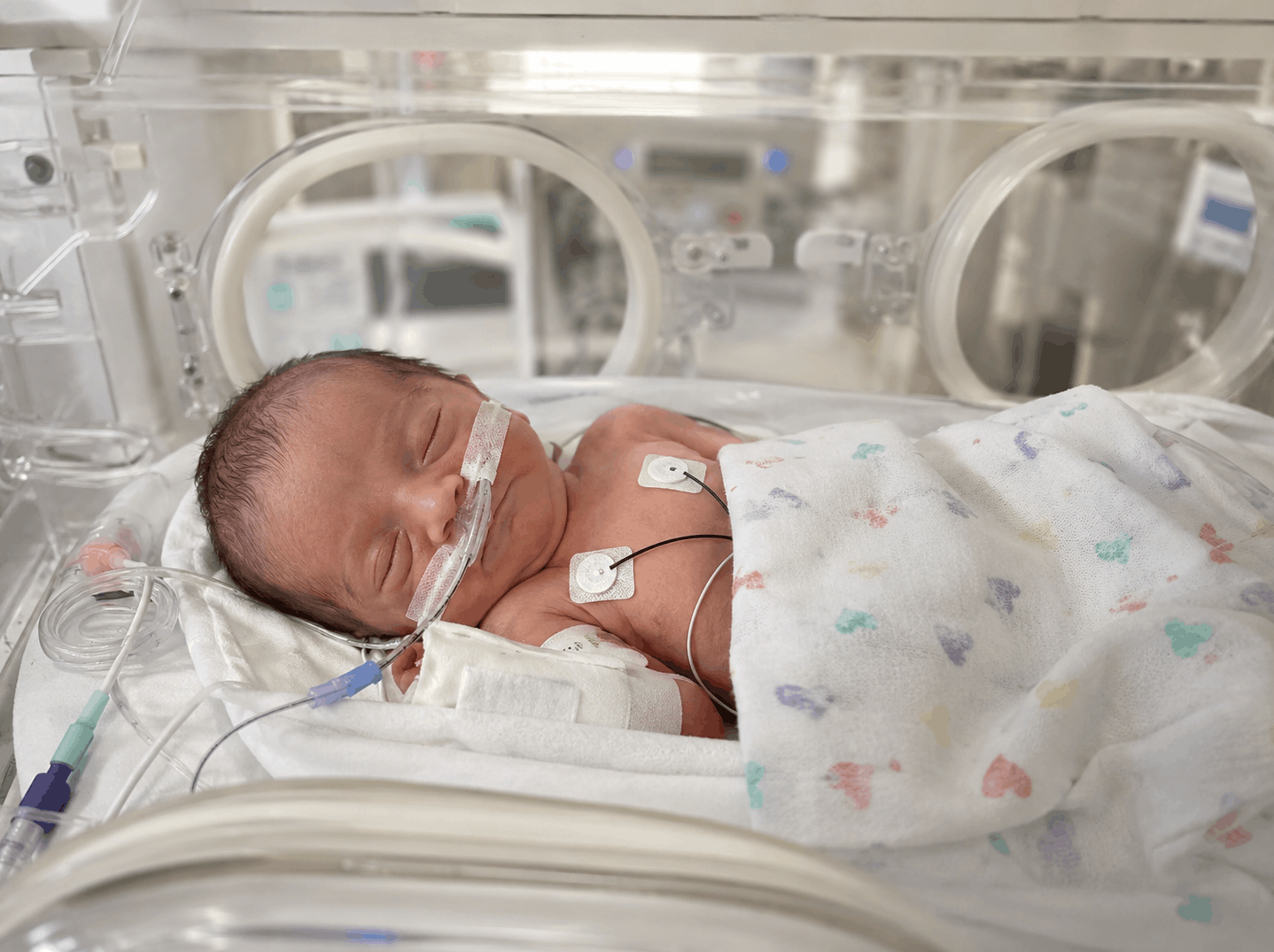
The most serious California birth injury lawsuits involve brain damage caused by oxygen deprivation. These cases are often framed around hypoxic ischemic encephalopathy, or HIE. HIE means the baby’s brain did not get enough oxygen and blood flow. Sometimes the injury is mild. Sometimes the child makes a better recovery than anyone expected. But in the worst cases, HIE leads to cerebral palsy, seizures, developmental delays, feeding problems, vision problems, speech problems, motor impairment, or the need for lifelong care.
Families often come to these cases with the same question: could this have been prevented? That is the right question. The answer depends on the records, fetal heart strips, timing, neonatal labs, Apgar scores, cord gases, imaging, and the opinions of qualified medical experts.
The Fetal Monitor Often Tells the Story
In many California birth injury lawsuits, the fetal heart strips are the most important evidence in the case. They show when the baby started struggling, how long the warning signs continued, and whether the delivery team acted fast enough.
Common Types of California Birth Injury Claims
Birth injury cases come in many forms, but a few patterns show up again and again. The facts change. The hospitals change. The defense experts change. But the mistakes are often depressingly familiar.
Failure to Perform a Timely C-Section
Delayed C-section cases are among the most common and most important birth injury lawsuits. A C-section is not required every time labor gets difficult. But when the baby is showing signs of distress, when labor is not progressing, or when continuing labor creates an unreasonable risk of oxygen deprivation, the clock starts to matter.
Hospitals know this. OBs know this. Labor and delivery nurses know this. When the fetal heart tracing deteriorates, and conservative measures do not fix the problem, the team must move. That may mean stopping Pitocin, changing maternal position, giving fluids, calling the doctor, moving to the OR, or delivering the baby by emergency C-section. What is not acceptable is waiting and hoping while the baby is telling everyone that something is wrong.
The key evidence in a delayed C-section case is often the timeline. When did the fetal monitoring become concerning? When was the doctor notified? When did the doctor arrive? When was the decision made to perform a C-section? When was the baby actually delivered? A delay of 10 or 20 minutes can matter if the baby is already in trouble. That sounds dramatic because it really is dramatic. Brain cells do not care that the unit was busy or that someone got into a fight with their spouse before their shift.
Mismanagement of Pitocin
Pitocin is used to induce or strengthen contractions. It is common. It is useful. It can also be dangerous when mismanaged. Pitocin can cause contractions that are too strong, too frequent, or too long. When contractions come too close together, the baby may not have enough time to recover between them. That can lead to oxygen deprivation.
In many California birth injury cases, the fetal monitor shows the problem before the delivery. The baby has late decelerations or recurrent variable decelerations. The uterus is contracting too frequently. The tracing becomes Category II or worse. The response should be to reduce or stop Pitocin, evaluate the mother and baby, and call for help when needed.
But sometimes the Pitocin keeps running. Sometimes it gets increased. That is when a medication meant to help labor can become a driver of injury.
Pitocin cases are often strong when the records show that nurses or doctors failed to follow hospital policy. Hospitals usually have detailed Pitocin protocols. These protocols often explain when Pitocin should be reduced, stopped, or restarted. When the staff violates its own protocol, that can be powerful evidence.
Failure to Recognize Fetal Distress
Fetal monitoring strips are the black box in many birth injury cases. They show the baby’s heart rate, the contraction pattern, variability, accelerations, and decelerations. The strip often tells us whether the baby was tolerating labor.
Hospitals and defense experts often try to make fetal monitoring sound mysterious. It is not simple, but it is not magic either. Labor and delivery nurses are trained to interpret fetal heart tracings, and OBs are trained to interpret them. The entire point of monitoring is to identify risk early enough to prevent harm.
In a malpractice case, experts look at whether the tracing showed signs of fetal distress and whether the team responded appropriately. Some concerning signs include recurrent late decelerations, minimal or absent variability, prolonged decelerations, tachysystole, bradycardia, or a pattern that worsens over time. No single strip tells the whole story. But a pattern of ignored warning signs can be devastating evidence.
Shoulder Dystocia and Brachial Plexus Injuries
Shoulder dystocia occurs when the baby’s shoulder gets stuck after the head delivers. It is an obstetrical emergency. The delivery team has to act quickly and correctly. Pulling too hard on the baby’s head can injure the brachial plexus nerves in the shoulder and neck. That can cause Erb’s palsy or other permanent arm weakness.
Not every shoulder dystocia injury is malpractice. That is true, and it matters, but some cases are birth injury malpractice. The claim may be that the doctor failed to recognize risk factors before delivery, failed to offer a C-section when one was indicated, used excessive traction, failed to use proper maneuvers, or failed to document what happened.
Brachial plexus cases can be harder than HIE cases because the defense often argues the injury came from maternal forces during labor, not physician traction. Sometimes that is true. Sometimes it is not. The records, the delivery note, the severity of injury, the risk factors, and expert testimony matter.
Failure to Treat Maternal Infection
Infection can injure both mother and baby. Chorioamnionitis, Group B strep infection, prolonged rupture of membranes, maternal fever, and neonatal sepsis can all become major issues. The danger is not just the infection itself. It is the delay in recognizing and treating it.
If a mother has fever, uterine tenderness, foul-smelling fluid, fetal tachycardia, or other signs of infection, the team needs to respond. Antibiotics may be needed. Delivery may need to happen sooner. The newborn may need careful monitoring and treatment. When an infection is missed, a baby can suffer brain injury, seizures, respiratory failure, meningitis, or death.
Neonatal Resuscitation Errors
Some babies are born depressed and need immediate resuscitation. That is why hospitals have neonatal teams, protocols, and equipment. The minutes after birth can be just as important as the minutes before birth.
Neonatal resuscitation lawsuits may involve failure to intubate, delay in ventilation, failure to recognize low oxygen levels, failure to treat hypoglycemia, failure to initiate cooling therapy when appropriate, or failure to transfer the baby to a higher-level NICU. These are not paperwork issues. They are survival and brain protection issues.
Common Reasons for California Birth Injury Lawsuits
Most California birth injury lawsuits are not about a bad outcome alone. They focus on whether doctors, nurses, or hospitals missed warning signs, delayed delivery, mishandled labor, or failed to protect the baby when the risk was clear.
| Reason for Lawsuit | What Went Wrong | Possible Injury | Key Evidence |
|---|---|---|---|
| Delayed C-Section | The team waited too long to deliver after signs that the baby was not tolerating labor. | HIE, cerebral palsy, brain injury, neonatal death | Fetal strips, decision-to-incision timing, OB and nursing notes |
| Failure to Recognize Fetal Distress | Doctors or nurses missed or ignored abnormal fetal heart tracings during labor. | Oxygen deprivation, seizures, developmental delays | Late decelerations, minimal variability, bradycardia, tachysystole |
| Pitocin Mismanagement | Pitocin was continued or increased despite excessive contractions or a worsening fetal tracing. | Uterine rupture, fetal distress, brain injury | Medication records, contraction pattern, hospital Pitocin policy |
| Shoulder Dystocia Errors | The baby’s shoulder became stuck, and the delivery team allegedly used excessive traction or failed to use proper maneuvers. | Brachial plexus injury, Erb’s palsy, arm weakness | Delivery note, shoulder dystocia maneuvers, birth weight, nerve testing |
| Failure to Treat Maternal Infection | Maternal fever, chorioamnionitis, Group B strep, or prolonged rupture of membranes was not handled properly. | Neonatal sepsis, meningitis, brain injury, death | Temperature logs, labs, antibiotics timing, placenta pathology |
| Neonatal Resuscitation Mistakes | The baby was born depressed, but the team failed to ventilate, intubate, monitor oxygen, or escalate care quickly enough. | Anoxic brain injury, seizures, HIE, death | Apgar scores, cord gases, resuscitation record, NICU notes |
| Failure to Diagnose Placental Problems | Placental abruption, placenta previa, or poor placental function was missed or not treated urgently. | Oxygen loss, stillbirth, maternal hemorrhage, brain injury | Ultrasound, bleeding history, fetal monitoring, pathology report |
| Failure to Respond to Uterine Rupture | The mother had signs of rupture, often during VBAC or high-risk labor, and the emergency was not recognized quickly. | Severe fetal oxygen loss, maternal injury, death | Prior C-section history, pain complaints, fetal bradycardia, operative report |
| Failure to Treat Newborn Hypoglycemia | The newborn’s low blood sugar was not monitored, recognized, or treated fast enough. | Seizures, brain injury, developmental problems | Glucose checks, feeding records, NICU notes, seizure history |
| Improper Use of Forceps or Vacuum | Delivery tools were allegedly used with too much force, for too long, or when a C-section was safer. | Skull fracture, brain bleed, nerve injury, facial injury | Operative note, number of pulls, pop-offs, imaging, newborn exam |
This chart is a general guide to common theories in California birth injury lawsuits. The real battlefield in these cases is whether the medical records, fetal monitoring strips, delivery timeline, newborn records, and expert review show that the injury should have been prevented with reasonable care.
Cerebral Palsy Birth Injury Lawsuits in California
Cerebral palsy is one of the most common diagnoses in serious birth injury litigation. But cerebral palsy is not one disease with one cause. It is a motor disorder that can result from different types of brain injury or abnormal brain development. The legal question is whether the child’s cerebral palsy was caused by preventable negligence.
Defense lawyers will often argue that the child’s cerebral palsy was caused by genetics, infection, prematurity, placental problems, or an event that happened before labor. Sometimes they are right. We do not help families by pretending otherwise. But sometimes the evidence points to a preventable oxygen injury during labor or delivery. Those are the cases that can and should be pursued.
The strongest cerebral palsy malpractice cases often have several pieces of evidence pointing in the same direction. The baby was normal before labor. The fetal monitoring became abnormal. The delivery was delayed. The baby was born depressed. The cord gas was bad. The baby had seizures. Brain imaging showed a pattern consistent with acute hypoxic-ischemic injury. The child later developed cerebral palsy. When those facts line up, the defense has a big problem on their hands.
These cases require experts. Usually more than one. A good birth injury case may require an obstetric expert, a labor and delivery nursing expert, a neonatologist, a pediatric neurologist, a neuroradiologist, and a life care planner. That is why these cases are expensive to bring and why law firms need to know what they are doing before they take them.
How California Birth Injury Lawsuits Are Evaluated
Parents often want to know whether they have a case. The honest answer is that no lawyer can know without the medical records. A heartbreaking outcome is not enough. Suspicion is not enough. The case must be built from proof.
The first step is getting the complete records. Not just the discharge summary. Not just the delivery note. We want prenatal records, labor and delivery records, fetal heart monitoring strips, medication administration records, nursing notes, physician notes, operative reports, neonatal records, NICU records, cord blood gas results, placental pathology, imaging studies, and transfer records. We also want the hospital policies if the case gets far enough, especially Pitocin policies and fetal monitoring protocols.
Then the timeline has to be built. Birth injury cases are timeline cases. When did the problem begin? Who knew? Who should have known? What did they do? What did they not do? When should the baby have been delivered? What would have happened if the baby had been delivered sooner? You win or lose these cases on the timeline.
The next question is causation. Did the negligence actually cause the injury? This is where many cases fall apart. A doctor can make a mistake and still not cause the harm. A baby can have a bad outcome that was not preventable. A strong malpractice case needs both breach and causation. Plaintiffs have to prove that the negligent delay, medication error, monitoring failure, or resuscitation failure made a real difference.
California Medical Malpractice Statute of Limitations
California medical malpractice cases have a different deadline than ordinary personal injury cases. In general, a malpractice lawsuit must be filed within one year after the plaintiff discovers, or reasonably should have discovered, the injury, and no more than three years after the date of injury, whichever comes first. There are limited exceptions for fraud, intentional concealment, and foreign objects left in the body.
Birth injury cases involving minors are different. Lawsuits by minors generally must be filed within three years from the alleged wrongful act, but if the child was under age six, the action must be filed within three years or before the child’s eighth birthday, whichever gives more time. (It is still very unforgiving compared to most states.)
That sounds like families have time. Sometimes they do. But parents should not wait because delay can sidetrack a viable claim. Hospitals lose records (all the time). Witnesses move. Memories fade.
More importantly, the law is full of traps. If you think your child may have been injured by malpractice, investigate early and call a birth injury lawyer.
Birth Injury Statute of Limitations
California birth injury cases involving minors have their own timing rules. In most medical malpractice cases brought for a child, the lawsuit must be filed within three years of the alleged malpractice. But if the child was under age six when the malpractice happened, the child’s claim may be filed within three years or before the child’s eighth birthday, whichever gives the family more time.
California 90 Day Notice in Medical Malpractice Cases
California also has a 90-day notice rule for medical malpractice cases. Before filing a professional negligence lawsuit against a health care provider, the plaintiff generally must give at least 90 days prior notice of the intent to sue. The notice does not need magic words, but it must tell the defendant the legal basis of the claim and the type of loss, including the nature of the injuries.
This notice rule can also affect the deadline. If the notice is served within 90 days of the expiration of the applicable statute of limitations, the time to file can be extended 90 days from service of the notice. That sounds simple. In real life, deadline math in medical malpractice cases can get ugly. Do not try to calculate the deadline to file based on something you see online. That is a quick ticket to a huge mistake. Call a birth injury lawyer in California.
MICRA and California Medical Malpractice Damages
California malpractice law is more favorable to plaintiffs than it used to be. But MICRA still lowers the value of many malpractice claims.
For decades, California had a $250,000 cap on noneconomic damages in medical malpractice cases. That number was absurdly low. It punished patients with the worst injuries, especially children, elderly patients, stay-at-home parents, and anyone whose biggest loss was pain, suffering, disability, and loss of dignity rather than wage loss. AB 35 changed that system beginning in 2023. It did not fix everything. But it made California malpractice law something other than a wasteland where meritorious cases almost always went to die.
For malpractice cases not involving wrongful death, the noneconomic damages cap started at $350,000 in 2023 and increases by $40,000 every year until it reaches $750,000. For wrongful death malpractice cases, the cap started at $500,000 and increases by $50,000 per year until it reaches $1 million. In 2026, that means the scheduled cap is $470,000 in non-death malpractice cases and $650,000 in wrongful death malpractice cases, subject to the statute’s category rules.
Economic damages are different. MICRA does not cap economic damages. That is why birth injury lawsuits can get verdicts in the tens of millions. A child with severe cerebral palsy or catastrophic brain injury may need millions of dollars in future medical care, therapy, equipment, home modifications, attendant care, and lost earning capacity. Those damages are not capped,
This is why birth injury cases remain high value even in a MICRA world. The pain and suffering cap is a problem. But future care costs in a catastrophic birth injury case can be enormous. A life care plan may include therapies, medications, wheelchairs, communication devices, feeding supplies, home nursing, orthopedic care, seizure care, transportation, home modifications, and supported living. These are not luxuries. They are the cost of survival and dignity.
California Medical Malpractice Deadlines and Caps
California malpractice lawsuits have special deadlines, notice rules, attorney fee limits, and damages caps. These rules matter most in birth injury cases because the future care damages can be enormous.
| Rule | California Law | Why It Matters |
|---|---|---|
| Medical Malpractice Deadline | 1 year from discovery or 3 years from injury | This is the starting point for most California malpractice claims, but minors and notice rules can change the analysis. |
| Birth Injury Deadline for Minors | Usually 3 years, or before age 8 if the child was under 6 | California has a special rule for malpractice claims by minors. For babies and young children, this can extend the filing period, but parents should still investigate early because fetal strips, neonatal records, and witness memories matter. |
| 90 Day Notice | Notice before filing | The notice can affect the filing deadline if served near the end of the limitations period. This matters in birth injury cases because families often spend months trying to understand what happened before calling a lawyer. |
| 2026 Noneconomic Cap, Non-Death Case | $470,000 | This limits pain and suffering in most malpractice cases that do not involve wrongful death, including many birth injury lawsuits. |
| 2026 Noneconomic Cap, Wrongful Death | $650,000 | This limits noneconomic damages in malpractice death cases, subject to the statutory structure. |
| Birth Injury Economic Damages | No MICRA cap | Future medical care, therapy, home nursing, equipment, home modifications, and life care costs often drive the value of catastrophic birth injury cases. This is what drives settlements in the millions. |
| Attorney Fee Limits | 25% before filing, 33% after filing | California caps malpractice contingency fees. This matters because birth injury lawsuits are expensive to investigate and often require multiple experts. |
What Is a California Birth Injury Case Worth?
No birth injury settlement calculator exists. Anyone pretending otherwise is selling something.
The value of a California birth injury lawsuit depends on liability, causation, damages, the child’s prognosis, the cost of future care, the venue, the experts, the available insurance, and whether the defendant is a private hospital, public entity, federally funded clinic, or some other health care provider. It also depends on whether the child’s injuries are mild, moderate, or catastrophic.
A shoulder dystocia case involving a child who recovers most arm function may have meaningful value, but it is not the same as a child with quadriplegic cerebral palsy who will need care for life. A delayed C-section case with mild developmental delay is not valued like a case involving profound HIE, seizures, feeding tube dependence, inability to walk, inability to talk, and 24-hour care needs.
The largest birth injury settlements and verdicts are driven by future economic damages. That means future medical care, therapy, life care, equipment, home nursing, and loss of earning capacity. Pain and suffering matters, of course. But the economics often drive the case.
Some Birth Injury Cases Are Hard to Win
Birth injury cases are hard. Families need to understand that. These cases are not just emotionally hard. They are legally and medically hard.
The defense has a playbook. They argue the baby’s injury occurred before labor. They argue the fetal tracing was reassuring enough. They argue the baby’s brain injury was genetic, infectious, metabolic, or unavoidable. They argue the child’s developmental problems are unrelated to delivery. They argue that even if a C-section had happened earlier, the outcome would have been the same.
Sometimes these arguments are nonsense. Sometimes they are dangerous nonsense wrapped in a white coat. But sometimes they are legitimate defenses. That is why the case has to be reviewed carefully. The families deserve the truth. If the case is strong, they deserve a fight. If the case is not there, they deserve honesty before they spend years in litigation.
The strongest cases usually have objective proof. Bad cord gases. Abnormal fetal monitoring. Clear delay. Neonatal seizures. MRI patterns consistent with hypoxic ischemic injury. Expert support. A life care plan that makes sense. A child whose disabilities match the injury theory. When the facts align, the defense has a much harder time waving the case away.
MICRA Does Not Cap Future Care
California limits noneconomic damages in medical malpractice cases, but MICRA does not cap economic damages. That is critical in catastrophic birth injury cases, and the reason you see birth injury settlement and verdict in California go as high as they do.
Common Defendants in California Birth Injury Lawsuits
California birth injury lawsuits may be brought against OBs, nurses, hospitals, midwives, maternal fetal medicine specialists, neonatologists, pediatricians, urgent care providers, clinics, and sometimes federally funded health centers. The identity of the defendant matters because it can affect deadlines, notice requirements, defenses, insurance, and where the claim must be filed.
Hospitals can be liable for their own negligence. That may include poor staffing, unsafe policies, failure to enforce fetal monitoring rules, failure to have an emergency C-section team available, failure to train nurses, or failure to follow escalation protocols. Hospitals may also be responsible for the negligence of employees. In some cases, they may fight responsibility for doctors by claiming the doctor was an independent contractor. That issue can become a major fight.
Doctors can be liable when they fail to respond to fetal distress, fail to perform a timely C-section, mismanage shoulder dystocia, fail to recognize maternal complications, fail to respond to abnormal labs, or fail to communicate with nurses and other providers.
Nurses can be liable when they fail to monitor, fail to chart, fail to notify the doctor, fail to follow Pitocin protocols, fail to escalate concerns, or fail to recognize a deteriorating fetal heart tracing. Nurses are often the eyes and ears of labor and delivery. When a nurse sees trouble and does not act, the consequences can be catastrophic.
What Parents Should Look For After a Bad Delivery
Parents usually know something went wrong before anyone tells them. The room changes. The tone changes. The baby is rushed away. The staff stops making eye contact. Suddenly everyone is speaking carefully. Then the family gets vague explanations. “These things happen.” “The baby had a rough transition.” “We are just being cautious.” Sometimes that is true. Sometimes it is not.
Warning signs that may justify a legal review include an emergency C section after hours of abnormal monitoring, low Apgar scores, need for intubation, seizures in the first day of life, cooling therapy, NICU admission, abnormal cord gases, diagnosis of HIE, brain MRI showing oxygen deprivation, unexplained skull fracture, brachial plexus injury, shoulder dystocia, maternal hemorrhage, uterine rupture, placental abruption, or a baby who does not feed, move, or develop normally.
None of these facts proves malpractice by itself. But they are reasons to investigate.
Sample California Birth Injury and Malpractice Settlement Examples
Prior settlements and verdicts do not predict the value of a new case. They are examples, not promises. But examples help families understand how these cases are evaluated and why some malpractice claims settle for seven or eight figures while others do not.
- $5,700,000 Settlement, California: A newborn girl suffered hypoxic ischemic encephalopathy and permanent brain damage. Her parents alleged that hospital staff failed to properly administer Pitocin, timely address fetal distress, order a C-section, and resuscitate the child in a timely manner. The case resolved for $5.7 million.
- $5,000,000 Settlement, California: A five-year-old boy suffered a catastrophic brain injury after hospital staff removed a breathing tube and his airway closed. He went into respiratory arrest and suffered oxygen deprivation. The child required round-the-clock care. The malpractice claim resolved for $5 million.
- $4,000,000 Settlement, California: A teenage mother presented to a San Francisco hospital for labor. The baby showed signs of distress, but delivery by C-section was allegedly delayed. The child suffered a catastrophic brain injury, spastic cerebral palsy, epilepsy, inability to walk or communicate, and a need for 24-hour care. The case settled for $4 million.
How Parents Can Help Build a Birth Injury Case
Parents are not expected to know medicine. But parents know what happened to them. They know what they were told. They know who was in the room. They know when the mood changed. They know whether nurses seem worried. They know whether a doctor was hard to reach. Those details matter.
If you suspect malpractice, write down the timeline while it is still fresh. Request the records. Save discharge papers, NICU notes, diagnosis papers, therapy records, imaging reports, and messages through the hospital portal. Take notes on what doctors told you. Keep track of specialists, therapy appointments, medications, seizures, feeding issues, developmental delays, and equipment needs.
Do not assume the hospital will explain what happened. Hospitals are not neutral historians of their own mistakes. Sometimes the records are honest. Sometimes they are incomplete. Sometimes the key fact is buried in a nursing note at 2:13 a.m. You need people reviewing the chart who know what they are looking for.
California Medical Malpractice Attorney Fees
California limits attorney fees in medical malpractice cases. Under AB 35, the fee structure changed. If recovery is achieved by settlement before a civil complaint or demand for arbitration is filed, the attorney’s fee is limited to 25 percent of the amount recovered. If recovery is made after the case or arbitration begins, the fee may be 33 percent.
This matters because malpractice cases are expensive. Birth injury cases are among the most expensive cases a plaintiff lawyer can bring. Expert witness testimony, record review, life care planning, depositions, and trial preparation can cost a fortune. Our attorneys often spend hundreds of thousands of dollars in a huge birth injury case, mostly because so many medical experts are needed.
The fee limits and damage caps change how selectively lawyers pick viable cases. That is not what families want to hear, but it is reality. A California birth injury lawyer has to strongly believe the case can be proven before spending the money needed to fight a hospital or insurance company.
Medical Malpractice Is Not Just Birth Injury
This page focuses heavily on birth injury because those are often the most catastrophic malpractice claims. But California medical malpractice lawsuits can arise from many types of negligent care.
Emergency room malpractice cases often involve failure to diagnose stroke, heart attack, sepsis, meningitis, spinal cord compression, ectopic pregnancy, or internal bleeding. These cases often turn on triage, abnormal vital signs, lab results, imaging, and whether the patient was discharged when the danger signs were obvious.
Surgical malpractice cases can involve wrong-site surgery, bowel perforation, nerve injury, retained objects, bleeding complications, anesthesia injury, or failure to recognize a post-surgical emergency. Not every surgical complication is malpractice. But when the complication should have been prevented or diagnosed sooner, the case may be strong.
Delayed diagnosis cases can involve cancer, aneurysm, infection, stroke, pulmonary embolism, or other conditions where time matters. It all boils down to what should have been done earlier and whether an earlier diagnosis would have changed the outcome.
Nursing malpractice can involve failure to monitor, medication errors, falls, pressure injuries, failure to report changes in condition, and failure to follow physician orders. Nurses are not background characters in malpractice cases. They are often the providers who have the best opportunity to prevent harm.
Do You Have a California Birth Injury Lawsuit?
You may have a California malpractice case if a health care provider failed to act as a reasonably careful provider would have acted and that failure caused serious injury or death. But the word “serious” matters. Because malpractice cases are expensive and difficult, viable cases usually involve significant harm.
In birth injury cases, the strongest claims often involve cerebral palsy, HIE, seizures, major developmental delay, brachial plexus injury with permanent weakness, neonatal death, maternal death, or a child who needs long-term therapy and support. In adult malpractice cases, strong claims often involve death, brain injury, paralysis, loss of limb, severe infection, major surgery, permanent disability, or delayed diagnosis of a life-threatening condition.
If the injury is minor, the case may not be economically viable even if negligence occurred. That is frustrating, but it is true. The cost of proving a California medical malpractice case can be enormous. The case has to justify the fight.
Call Our California Medical Malpractice Lawyers
If you believe you or your child was harmed by medical negligence in California, call us today at 800-553-8082 or contact us online. We will review what happened, look at the records, and tell you honestly whether the case is worth investigating.
For birth injury cases, the earlier you call, the better. The fetal monitoring strips, neonatal records, cord gases, imaging, and hospital policies may tell the story. But they have to be obtained, preserved, and reviewed by people who know what they are looking at.
Families deserve answers. Sometimes the answer is that nothing legally actionable happened. But sometimes the answer is that a hospital or doctor made a mistake that changed a child’s life forever. When that is what happened, the family deserves a lawyer who is willing to fight.