 Lawsuit Information Center


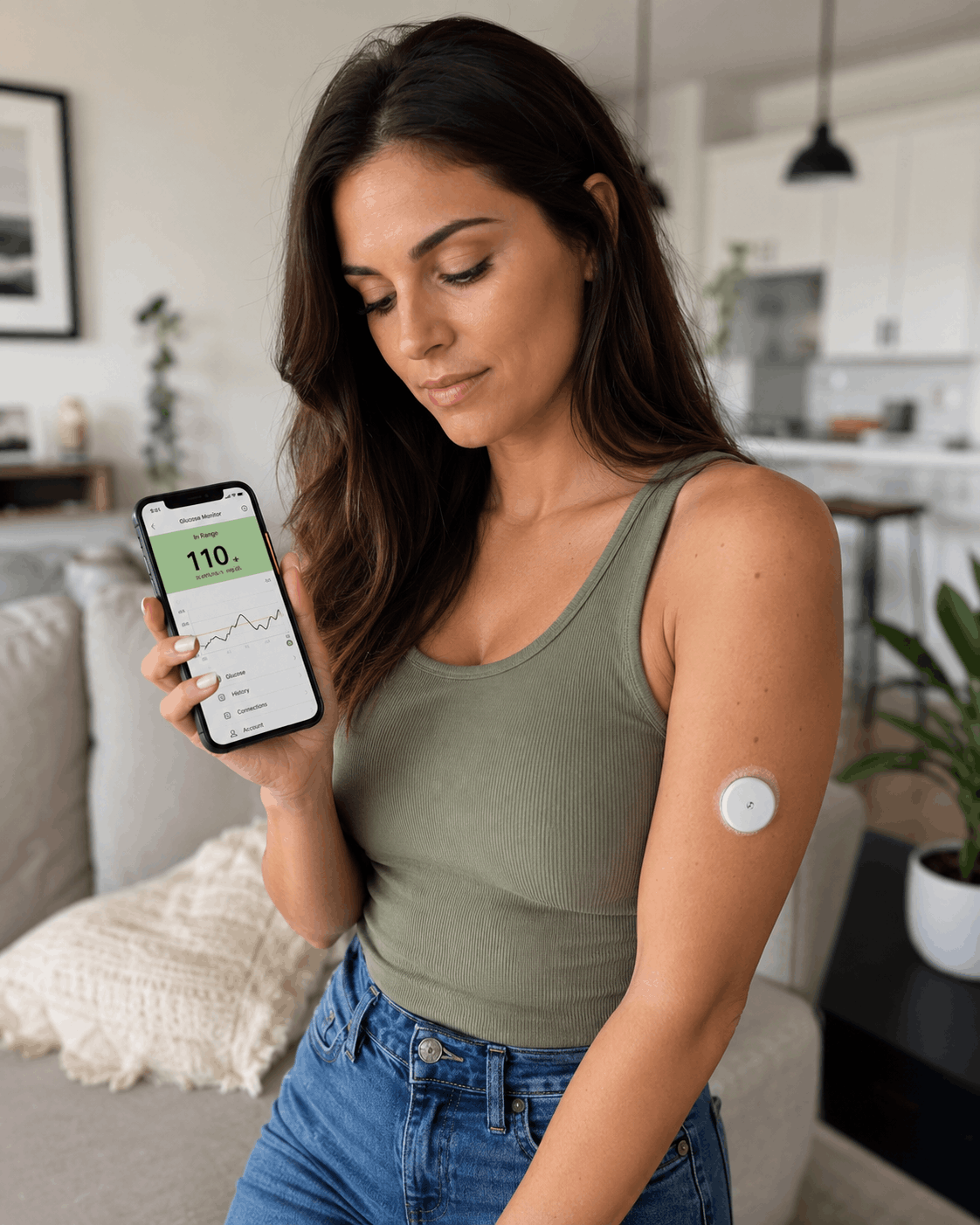
Glucose monitor lawsuits are being filed by people who say continuous glucose monitoring systems failed when they needed them most. These lawsuits involve Dexcom G6, Dexcom G7, Abbott FreeStyle Libre 3, and Abbott FreeStyle Libre 3 Plus sensors, apps, and receivers that allegedly provided inaccurate glucose readings, missed high- or low-glucose alerts, failed early, or failed to warn users that glucose data had stopped reporting.
This is no small complaint for someone with diabetes who relies on these monitors. A continuous glucose monitor can drive decisions about insulin, food, sleep, exercise, and emergency care. When a sensor falsely reports low glucose, a patient may eat carbohydrates or delay insulin. When a device misses a low alert, a patient may seize, lose consciousness, fall, or die. When a high glucose event is missed, the result can be prolonged hyperglycemia, diabetic ketoacidosis, hospitalization, or worse. Of course, a malfunctioning glucose monitor typically causes more minor injuries and inconveniences.
Our lawyers are looking for serious glucose monitor cases involving serious injury or death.
If you or a family member used a Dexcom G6, Dexcom G7, FreeStyle Libre 3, or FreeStyle Libre 3 Plus and then suffered a severe blood sugar event after inaccurate readings, missed alerts, app failure, receiver failure, or sensor failure, your records should be reviewed. Contact our office today at 800-553-8082, or request a free online consultation.
Glucose Monitor Lawsuit July 2026 Update
As of July 2026, the glucose monitor litigation is moving on two tracks. The first track is consumer class action litigation over defective sensors, allegedly misleading marketing, warranty claims, and economic losses. The second track is individual personal injury and wrongful death claims by users who suffered a serious glucose emergency after a device allegedly failed. Our attorneys are focused on the second track.
Abbott’s FreeStyle Libre 3 and Libre 3 Plus recall is the most serious current development. The FDA reported that Abbott recalled certain FreeStyle Libre 3 and Libre 3 Plus sensors because they may provide glucose readings that are lower than actual blood glucose levels. The FDA recall states that if incorrect low-blood-sugar readings go undetected over time, users may make wrong treatment decisions, including excessive carbohydrate intake, skipping meals, or delaying insulin. The FDA reported 860 serious injuries and seven deaths associated with the issue as of January 7, 2026.
Abbott’s own correction notice said the issue involved a subset of FreeStyle Libre 3 and Libre 3 Plus sensors from one production line, impacted about three million U.S. sensors, and did not affect the FreeStyle Libre 3 reader or mobile apps. Abbott told users to check sensor serial numbers and stop using affected sensors. The Abbott correction also says Abbott identified and resolved the production-line issue.
Dexcom is facing its own set of cases and regulatory issues. In March 2025, the FDA issued a warning letter to Dexcom following inspections of the G6 and G7 systems. The FDA cited quality system and design control concerns, including issues tied to manufacturing controls, MARD specifications, and documentation of device performance requirements.
The FDA identified a recall of certain Dexcom G6, G7, ONE, and ONE+ receivers as the most serious type because a speaker malfunction could cause missed audible alerts for dangerous blood sugar levels. The receiver recall reported at least 56 injuries and no deaths. The FDA also described a Dexcom G7 app correction because a software design error could prevent a “Sensor Failed” alert from being displayed when the sensor transmitter encountered a hardware or firmware failure.
Dexcom and FreeStyle Libre Products Involved
The products getting the most attention are Dexcom G6, Dexcom G7, Abbott FreeStyle Libre 3, and Abbott FreeStyle Libre 3 Plus. They are all continuous glucose monitoring systems. They are not identical products, and the defect theories are not identical either.
| Product | Main Problem Being Reviewed | Best Injury Claims | Current Posture |
|---|---|---|---|
| Dexcom G6 | Inaccurate readings, receiver speaker failure, Android app shutdowns, missed alarms, and allegations of sensor accuracy issues. | Severe hypoglycemia, DKA, seizure, hospitalization, fall injury, or death tied to missed alerts or wrong readings. | FDA warning letter, receiver recall, app correction, and class action litigation. |
| Dexcom G7 | Missed sensor failed alerts, receiver speaker issues, inaccurate readings, early sensor failures, and design-control allegations. | Medical emergency after the user did not receive glucose data, alarm, or sensor failure warning. | FDA warning letter, G7 app correction, receiver recall, and proposed class actions. |
| FreeStyle Libre 3 | Certain sensors allegedly provided falsely low glucose readings. | Skipped or delayed insulin, overcorrecting with carbohydrates, severe hyperglycemia, DKA, hospitalization, or death. | FDA recall, Abbott correction, replacement program, and class action litigation. |
| FreeStyle Libre 3 Plus | Certain sensors allegedly gave lower-than-actual glucose readings from affected lots. | Wrong treatment decisions caused by false low readings, especially when insulin dosing was delayed or skipped. | FDA recall, Abbott correction, serial-number check, and litigation investigation. |
Having the device model alone does not make a case. A claim depends on whether the device failure can be shown to have caused an injury.
What These Lawsuits Are About
These lawsuits are about whether glucose monitor companies sold devices that users reasonably trusted, but that failed in dangerous ways. Product labels and warnings, app records, sensor data, and medical records will all matter. A bad outcome alone does not prove the device caused it.
The lawsuits do not claim every glucose monitor is defective or that every blood sugar emergency is the manufacturer’s fault. Diabetes is a complicated disease. Defendants will point to sensor lag, fingerstick confirmation instructions, phone settings, expired sensors, silenced alarms, app configuration, user error, diet, insulin decisions, illness, infection, and ordinary disease risk.
Plaintiffs allege that Dexcom and Abbott devices could fail in ways users did not reasonably expect: missed alerts, falsely low readings, inaccurate readings, unexpected app termination, receiver speaker failure, early sensor failure, or a missing sensor failure warning. In a serious injury case, the plaintiff must prove that the failure caused a real medical event.
A strong case involves a documented monitor failure, reasonable reliance on the device, a severe glucose event requiring medical care, and device data, app records, medical records, and witness history that all point in the same direction.
Injuries Linked to Glucose Monitor Failures
The highest value glucose monitor lawsuits will involve severe physical injury or death. A sensor that fails early or gives an incorrect reading may support a consumer complaint, a refund claim, or a class action. It usually does not support a major personal injury lawsuit unless it leads to harm that can be proven.
False low readings are especially important in the FreeStyle Libre 3 and Libre 3 Plus cases. If a device tells a user glucose is low when it is actually normal or high, the user may eat unnecessary carbohydrates, reduce insulin, skip insulin, or delay treatment. Over time, that can push a patient into serious hyperglycemia or diabetic ketoacidosis.
Missed low alerts are a different danger. A person asleep, driving, exercising, or alone may not realize glucose is dropping. A missed low can lead to seizure, loss of consciousness, fall injuries, brain injury, or death.
Skin reactions are a separate category. Adhesive burns, rashes, blistering, scarring, and infections can be real injuries, but they tend to have lower value unless there is severe infection, permanent scarring, repeated treatment, or a documented product reaction pattern. These may be viable claims but our firm is not reviewing these.
Who May Have a Claim?
At the outset, everyone has a claim if they can prove injury caused by a negligent device failure. When we talk about who is eligible for a glucose monitor failure lawsuit, we are really talking about which claims our lawyers are taking.
Our criterion is someone who used the Dexcom G6, Dexcom G7, FreeStyle Libre 3, or FreeStyle Libre 3 Plus and experienced a serious medical event due to inaccurate readings, missed alerts, app failure, receiver failure, or sensor failure. The key is not just that the device had a problem. The key is whether that problem caused significant harm.
The strongest cases usually involve ER care, hospitalization, diabetic ketoacidosis, seizure, loss of consciousness, coma, traumatic injury from a fall, or wrongful death. The case gets stronger when there are screenshots, device data, app history, support records, sensor lot information, serial numbers, and medical records showing the glucose emergency.
Cases Our Lawyers Are Most Interested In
- FreeStyle Libre false-low reading: missed insulin dose, delayed insulin, severe hyperglycemia, DKA, hospitalization, or death.
- Dexcom missed low alert: seizure, loss of consciousness, fall injury, emergency treatment, or death.
- App or receiver failure: crash, silent receiver, failed sensor alert, or missing data during the injury window.
- Inaccurate reading: wrong insulin or food decision followed by a documented glucose emergency.
- Repeated sensor failures: documented failures tied to medical harm, not just inconvenience or replacement requests.
If the injury was minor, the claim may belong in a consumer class action rather than an individual personal injury lawsuit. If the injury was severe, you need a review focused on medical records, device data, app records, product warnings, and the failure mechanism.
Evidence That Can Support a Claim
Your story explains what happened, but the claim usually rises or falls on device data, app records, medical records, support communications, and the timeline connecting the failure to the injury.
Do not throw away the receiver, sensor packaging, applicator, transmitter, adhesive patch, pharmacy records, phone screenshots, emails, or replacement records. If a sensor or receiver failed, the physical device and its data may become important evidence.
For FreeStyle Libre 3 and Libre 3 Plus, the sensor serial number is especially important because Abbott and the FDA directed users to check whether their sensors were affected. For Dexcom cases, app version, receiver serial number, and alarm settings may become critical.
Settlement Value and Litigation Posture
We are too early to be projecting settlement payouts. Our lawyers are usually aggressive about predicting settlement amounts, but we are too early in this litigation, even for us. But we believe these are strong cases, or we would not be taking them on a contingency fee basis where we get nothing if we lose.
If things go as we expect they will, cases involving DKA hospitalization, seizure, coma, severe fall injury, or death that can be linked to a defective glucose monitor should bring substantial value.
Manufacturers will fight these cases. Expect arguments about user error, device instructions, sensor lag, fingerstick confirmation requirements, app settings, phone compatibility, alarm settings, silenced alerts, sensor expiration, and, their big defense, whether the medical event would have happened even with a functioning CGM.
Plaintiffs will answer with FDA recall records, warning letters, app data, receiver data, serial numbers, medical records, expert testimony, support records, prior complaints, and evidence that the user reasonably relied on the glucose monitor to warn of dangerous glucose levels.
Deadlines to File a Glucose Monitor Lawsuit
Do not wait. Deadlines depend on state law and claim type. A product liability claim, consumer protection claim, warranty claim, personal injury claim, and wrongful death claim may all have different filing periods.
The clock may run from the injury date, death date, device failure date, recall notice date, or the date you reasonably should have connected the injury to the device. Some states also have statutes of repose that can cut off product claims after a fixed number of years.
What To Do Next
If you believe a glucose monitor failure caused a serious injury, preserve everything. Keep the receiver, phone, sensor box, transmitter information, pharmacy records, company emails, support chats, replacement notices, screenshots, glucose history, and medical records.
Do not factory reset the phone or delete the Dexcom or FreeStyle Libre app until a lawyer has reviewed what data may be needed. Do not throw away packaging. Do not rely only on memory. These claims depend on dates, device identifiers, app versions, glucose data, medical treatment, and whether the alleged defect matches your event.
Four Things To Do Now
- Write down the exact timeline of the device failure and medical event.
- Save app screenshots, glucose reports, receiver records, support emails, sensor boxes, and serial numbers.
- Request EMS, ER, hospital, endocrinology, pharmacy, and death records if applicable (your lawyer can get these, too)
- Have a lawyer review whether your claim is a consumer claim, personal injury claim, or wrongful death claim.
If the case is weak, you deserve to know that. If the data and medical records line up, the claim should be evaluated before the evidence disappears.
Glucose Monitor Lawsuit FAQs
Calling a Glucose Monitor Lawyer
If a Dexcom G6, Dexcom G7, FreeStyle Libre 3, or FreeStyle Libre 3 Plus failure led to DKA, severe hypoglycemia, severe hyperglycemia, seizure, coma, hospitalization, fall injury, or death, contact our office today at 800-553-8082, or request a free online consultation.